
The Allure of Chance and Risk
The thrill of gambling stems largely from the inherent allure of chance and risk. Casino games are designed to captivate players by presenting opportunities for both large rewards and significant losses. This dynamic taps into human psychology, where the excitement of potentially winning can overshadow the reality of the risks involved. Many players are drawn to the unpredictable nature of games like roulette and blackjack, where a single decision can lead to a life-changing outcome, especially when they play at the best online casino with instant withdrawal that promises quick payouts. The excitement that envelops a player when the wheel spins or when cards are dealt creates an emotional high that is hard to resist.
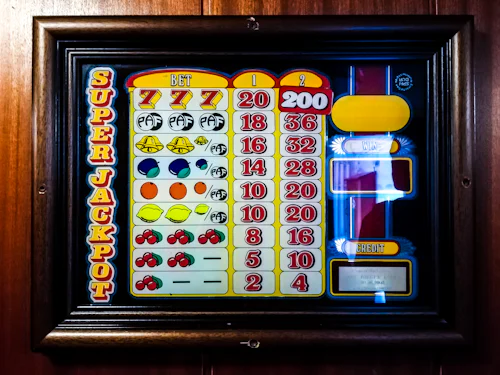
This psychological attraction is closely linked to the concept of ‘near misses’ in gambling. When players experience outcomes that are tantalizingly close to winning, such as hitting two out of three symbols on a slot machine, it often leads to increased motivation to continue playing. This phenomenon exploits cognitive biases where individuals misinterpret their chances of winning, thus perpetuating their gambling behavior. Such near misses can create a false sense of hope, reinforcing the belief that a win is just around the corner, prompting players to keep betting despite losses.
Furthermore, the design of casinos enhances this psychological allure. The colors, sounds, and layout are meticulously crafted to keep players engaged for longer periods. Bright lights and celebratory sounds associated with wins create an environment of excitement that contributes to the rush of gambling. This sensory stimulation plays a crucial role in reinforcing the desire to gamble, making the casino experience profoundly immersive and psychologically compelling. Elements like the sound of coins clinking or the celebratory music when a jackpot is hit are deliberately designed to heighten the emotional experience, making players more likely to return.
The Role of Reward Systems
Casino games leverage sophisticated reward systems to encourage continued play and investment. The intermittent reinforcement schedule—where rewards are given out unpredictably—keeps players engaged by creating anticipation. Unlike a fixed schedule of rewards, this randomness can lead to a more addictive experience, as players never know when their next win might occur. This psychological principle is similar to how slot machines function, providing small wins interspersed with losses, which maintain interest and investment. The unpredictability of rewards creates a cycle where players feel compelled to keep playing, hoping for that next big win.
Moreover, the concept of variable rewards ties into the dopamine response in the brain. When players win, even if the win is small, their brain releases dopamine, a chemical associated with pleasure and satisfaction. This creates a cycle of craving, where the desire to re-experience that high can drive individuals to gamble more frequently. Over time, this can lead to a compulsive gambling habit, as the player becomes increasingly conditioned to seek the thrill associated with potential winnings. The more they engage, the more they crave those euphoric moments, leading them deeper into the gambling experience.
Casinos also utilize loyalty programs and bonuses as part of their reward systems. These initiatives enhance the player’s attachment to gambling by providing tangible benefits for continued play. Players are often incentivized to return through rewards that promise bigger returns, effectively binding them to the casino environment. The psychological impact of both perceived and actual rewards reinforces the notion that gambling can lead to substantial gains, further driving engagement and loyalty amongst players. This creates a sense of belonging and achievement, as players feel recognized and valued for their participation.
The Influence of Social Factors
The social aspect of gambling plays a significant role in its appeal. Many individuals are drawn to casinos not just for the games themselves, but for the communal experience. The chance to interact with other players and dealers can create a sense of camaraderie, as shared excitement and anxiety can enhance the overall experience. This social environment fosters interactions that can make gambling feel more enjoyable and less solitary, impacting individuals’ psychological motivations to participate. The thrill of celebrating a win with others amplifies the joy and can create lasting friendships centered around shared experiences.
Group dynamics can also play into gambling behavior. When people are part of a larger group, the social pressure and encouragement can lead to riskier bets. For instance, observing friends or strangers winning can induce a desire to take similar risks, fueled by the shared euphoria of winning. This phenomenon showcases how peer influence can affect decision-making in gambling contexts, often leading individuals to gamble more than they might otherwise feel comfortable doing alone. The desire to fit in and be part of a collective experience can overshadow individual caution, leading to impulsive gambling choices.
Furthermore, the social media age has introduced new dimensions to gambling behaviors. Online casinos and gambling platforms allow participants to share their experiences, wins, and strategies, fostering a community that extends beyond physical casino walls. This interconnectedness can amplify the thrill of gambling, as players feel supported and motivated by their peers. The ability to share moments of triumph online enhances not just the social aspect of gambling, but also the psychological reinforcement of continued play through shared experiences and narratives. Social media creates a platform for celebrating wins and supporting each other during losses, which can further entrench gambling behaviors.
The Impact of Environment and Design
The design and environment of casinos are meticulously crafted to influence player behavior and psychology. Casinos are often devoid of clocks and windows, creating a timeless atmosphere that encourages players to lose track of time and remain engaged. The layout is strategic, guiding players through a labyrinth of games, with frequent exposure to stimulating visual and auditory elements that elicit excitement and prolong playtime. This careful planning is no coincidence; it is grounded in psychological principles aimed at maximizing player engagement. The absence of natural light and the constant flow of sounds contribute to an immersive experience that keeps players coming back.

Lighting plays a pivotal role in this environment. Bright lights in gaming areas draw attention, while softer lighting in lounge areas encourages players to relax and linger. Such strategic contrasts not only create an inviting ambiance but also impact players’ moods, making them more susceptible to engaging in gambling activities. The olfactory cues, such as the scent of food or beverages, can also foster a sense of comfort and enjoyment, further promoting longer stay durations within the casino. This multi-sensory approach enhances the overall gambling experience, making it more enjoyable and hard to resist.
Casinos also utilize music strategically to enhance mood and maintain a lively environment. Upbeat tunes can elevate excitement levels, while slower rhythms may push players to feel more relaxed and comfortable. The auditory environment is an essential element that can significantly affect players’ choice to gamble. The synchronization of sounds, sights, and scents in the casino environment forms a psychological cocktail that is difficult to resist, encouraging players to remain engaged and invested. Each element is intentionally designed to create an atmosphere that feels exciting and rewarding, ensuring that players are drawn in and motivated to keep playing.
Understanding Gambling Behavior on the Web
In the digital age, understanding the psychology behind online gambling is becoming increasingly important. Online casinos replicate many of the psychological triggers found in physical venues, such as vivid graphics, sound effects, and interactive elements. However, the anonymity of online platforms introduces unique psychological dynamics; players often feel less accountable for their actions when gambling from the comfort of their homes. This can lead to riskier behaviors, as individuals may gamble more freely, perceiving a diminished sense of control and consequence. The lack of physical presence can create a false sense of security, encouraging players to engage more deeply than they might in a brick-and-mortar setting.
Moreover, online gambling platforms employ targeted marketing strategies that capitalize on psychological principles. Personalized recommendations and promotions based on previous activity can create a tailored experience that keeps players engaged. This approach reinforces a sense of control and personalization, which can psychologically bind players to these platforms, encouraging continued participation. Additionally, the use of gamification—integrating game-like elements into online gambling—enhances engagement and can deepen the psychological connection to the games. These strategies exploit the same cognitive biases that influence behavior in traditional casinos, making online gambling equally compelling.
As gambling moves further into the digital realm, understanding the psychological components becomes even more crucial. Players need resources to navigate their experiences responsibly, as the allure of online gambling can be intense. An awareness of psychological triggers, social influences, and the impacts of environment can empower players to make more informed decisions. Websites dedicated to responsible gambling can provide essential information and support, ensuring that players remain aware of their behaviors and the potential risks associated with online gambling. By prioritizing education and awareness, players can maintain a healthier relationship with gambling practices in an increasingly digital world.